
A Keeper of Verses & Memories.
A folk chant from the Nghệ region, a resonant Ca Trù melody, or the distant trill of a flute drifting through the autumn breeze – all these melodies echo in the wind. I wonder where the wind ultimately goes. Embodying the wind, I swept across fields fragrant with ripening rice, through deep forests, until finally reaching the boundless sky, blending into the clouds and drifting endlessly into the distance. That’s when the name “Vần Mây” was born.
This name, however, is not merely a depiction of scenery. Through bilingually translated verses, interviews with artists, and the exploration of diverse poetic traditions – ranging from Tang-regulated verse and Nghệ Tĩnh folk poetry to traditional Nôm poetry – my vision for Vần Mây is to connect different regions and cultures through poetry, much like how the clouds and the wind wander freely across the world.
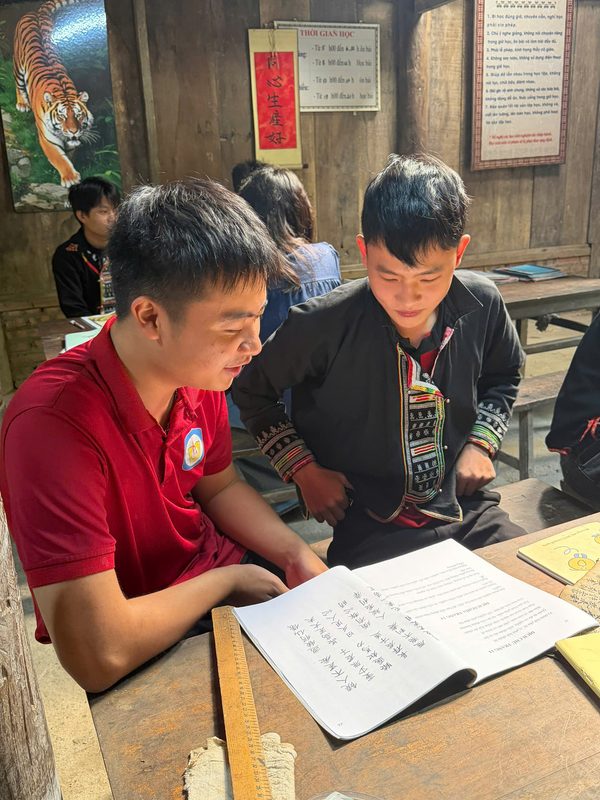
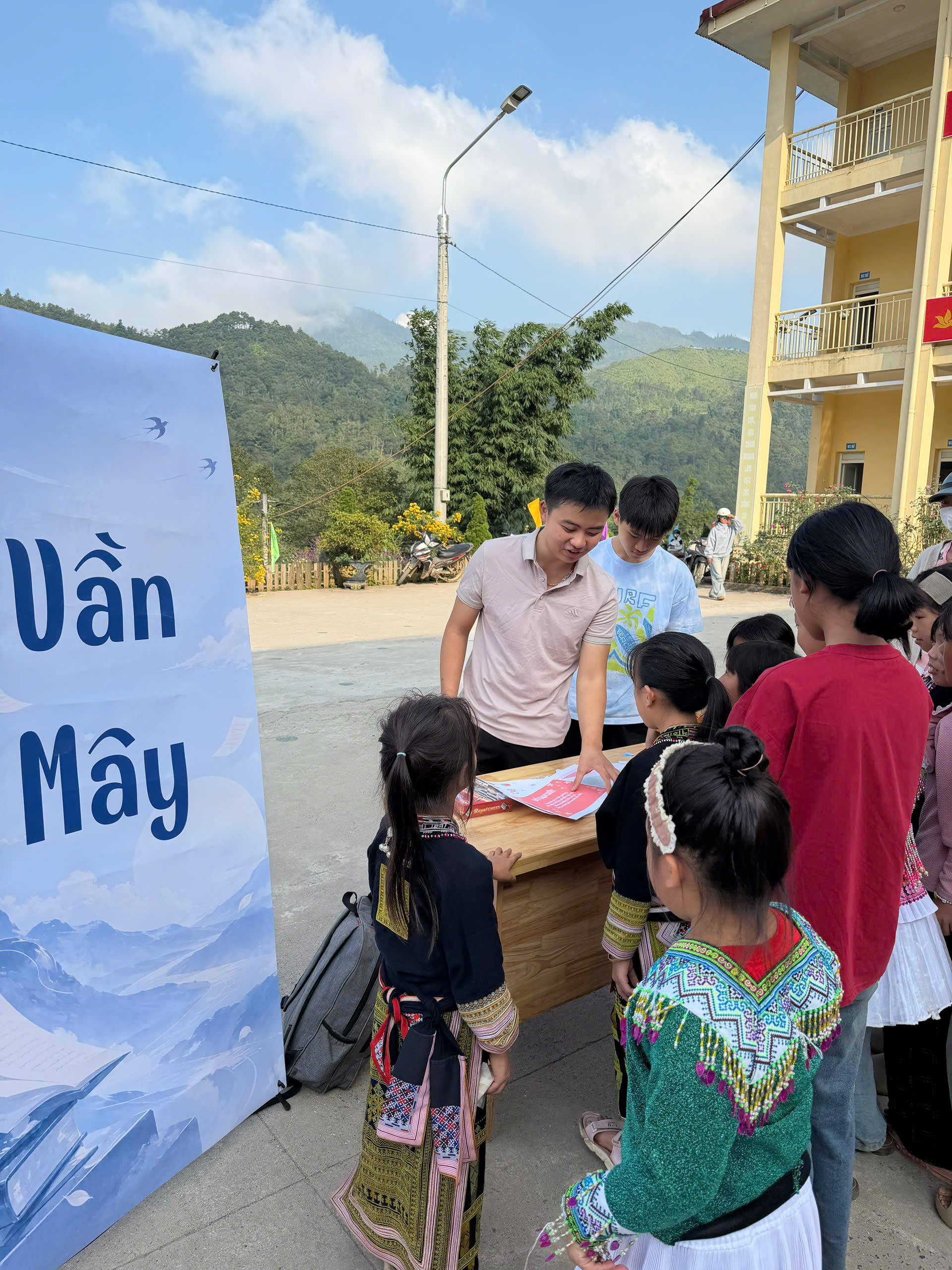
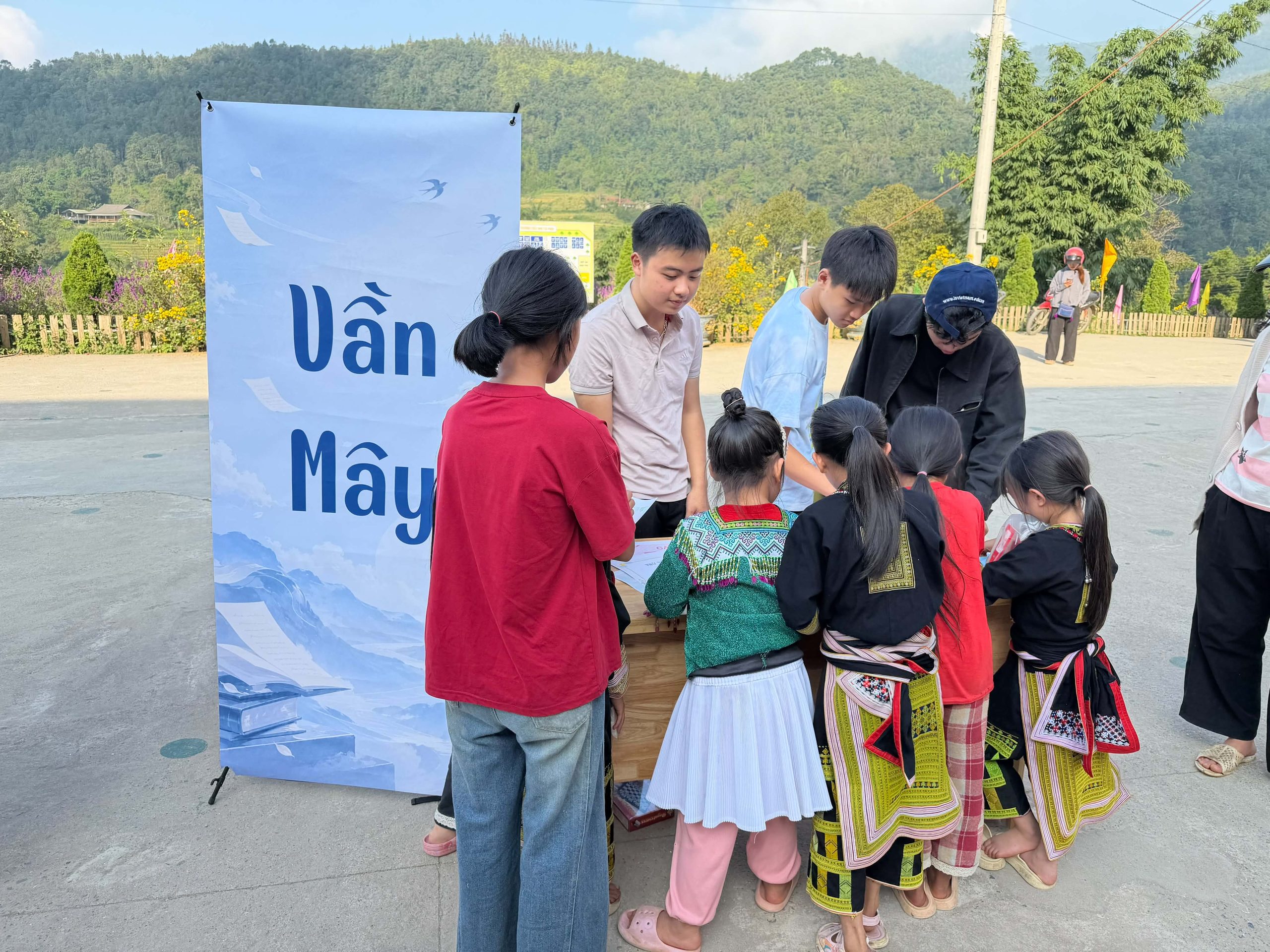
POETRY IN THE HIGHLANDS
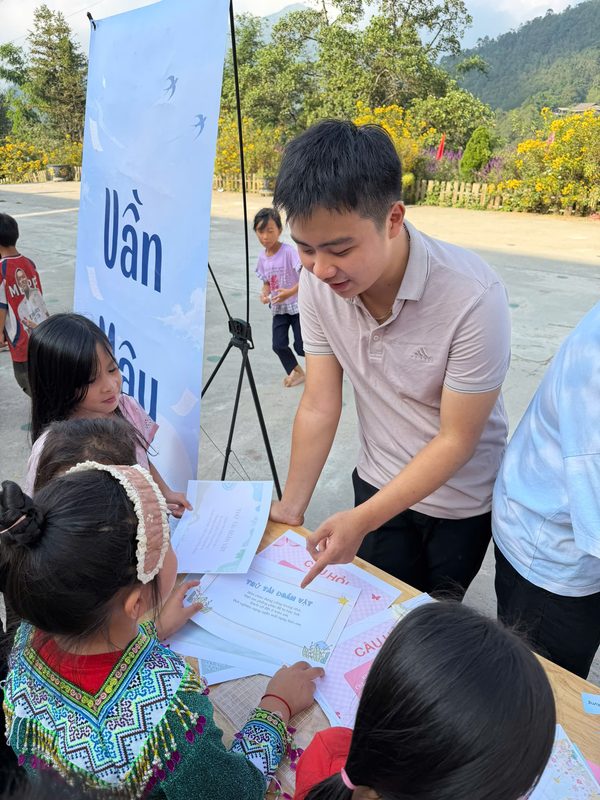
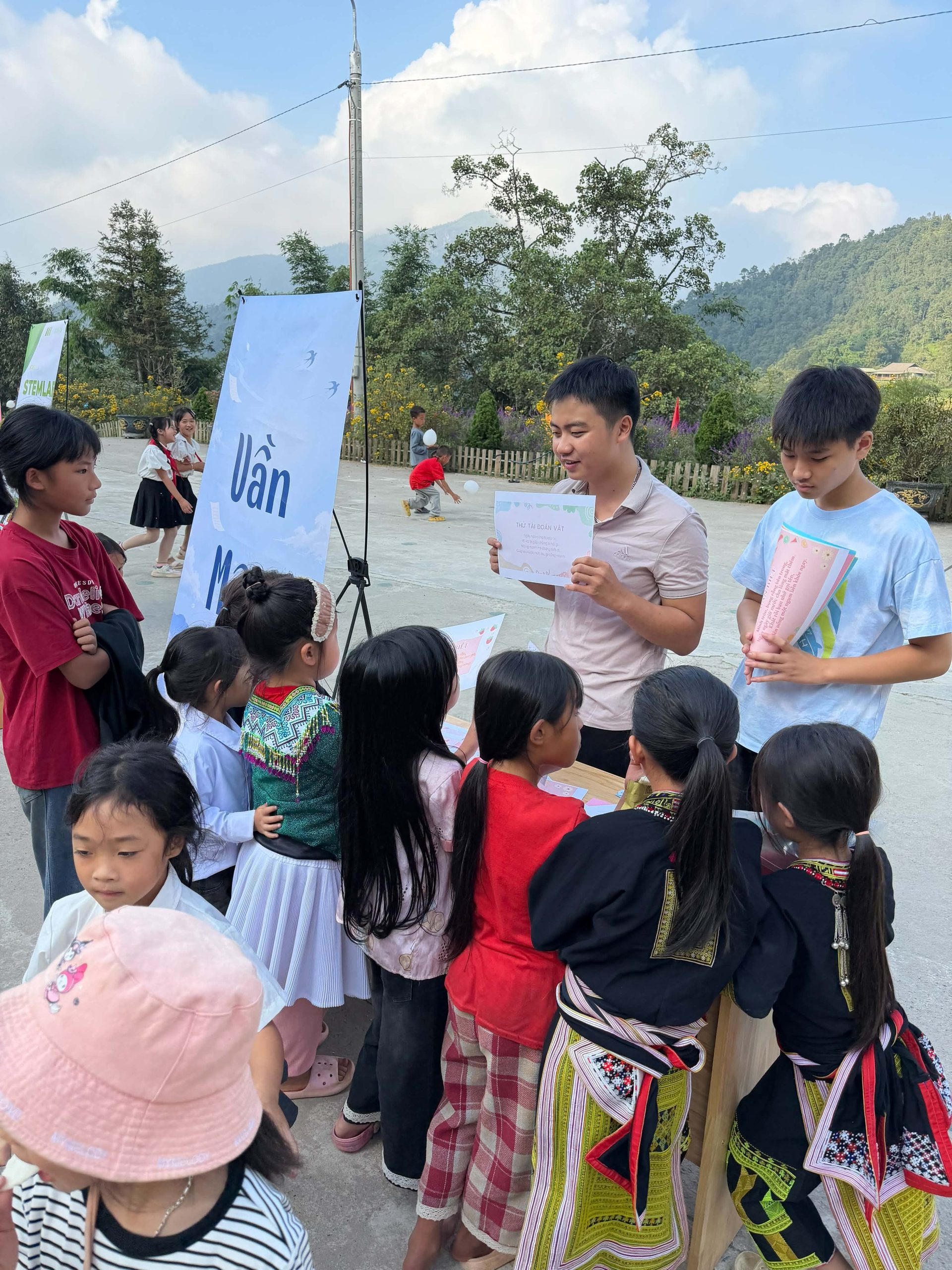
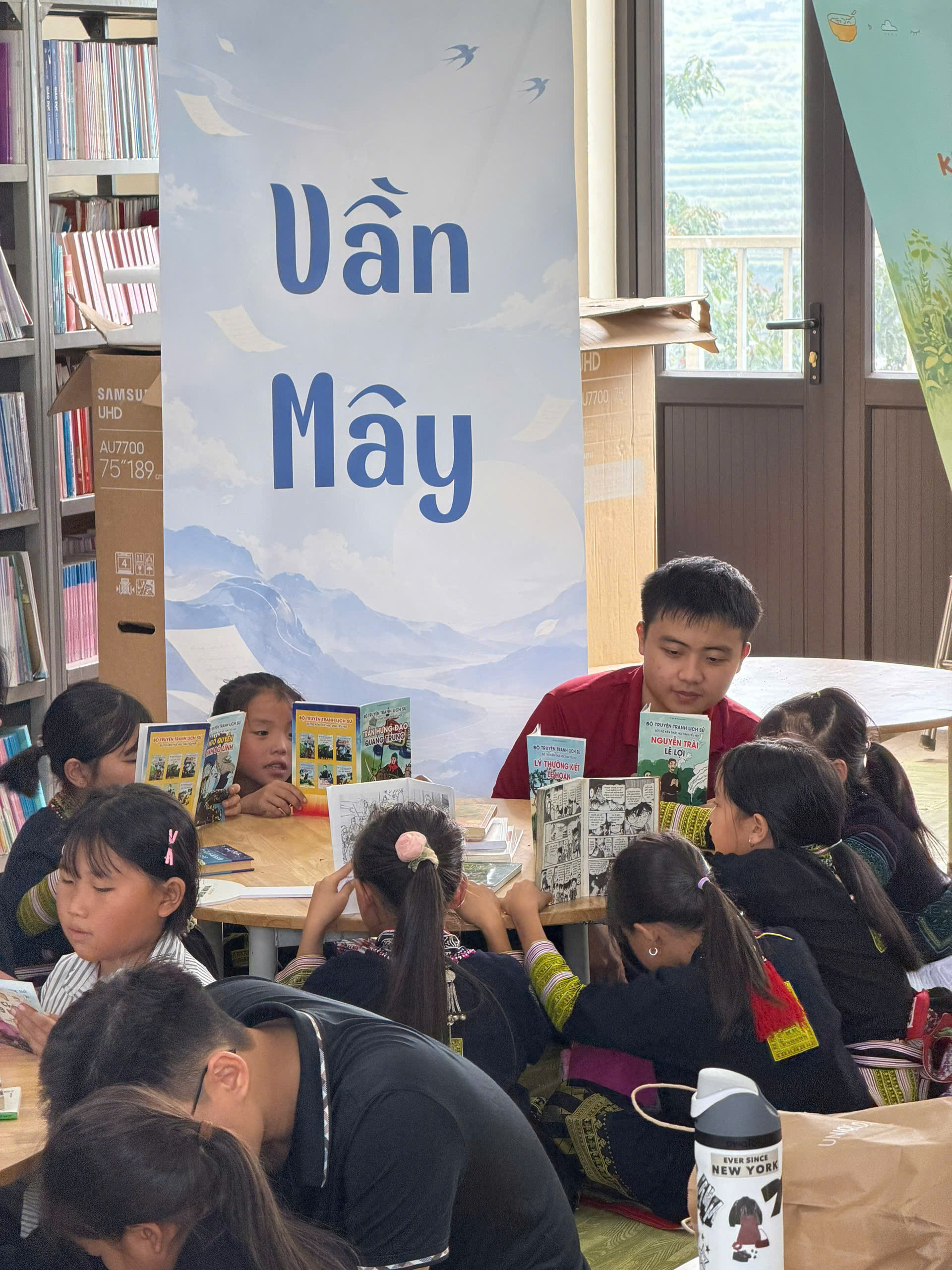
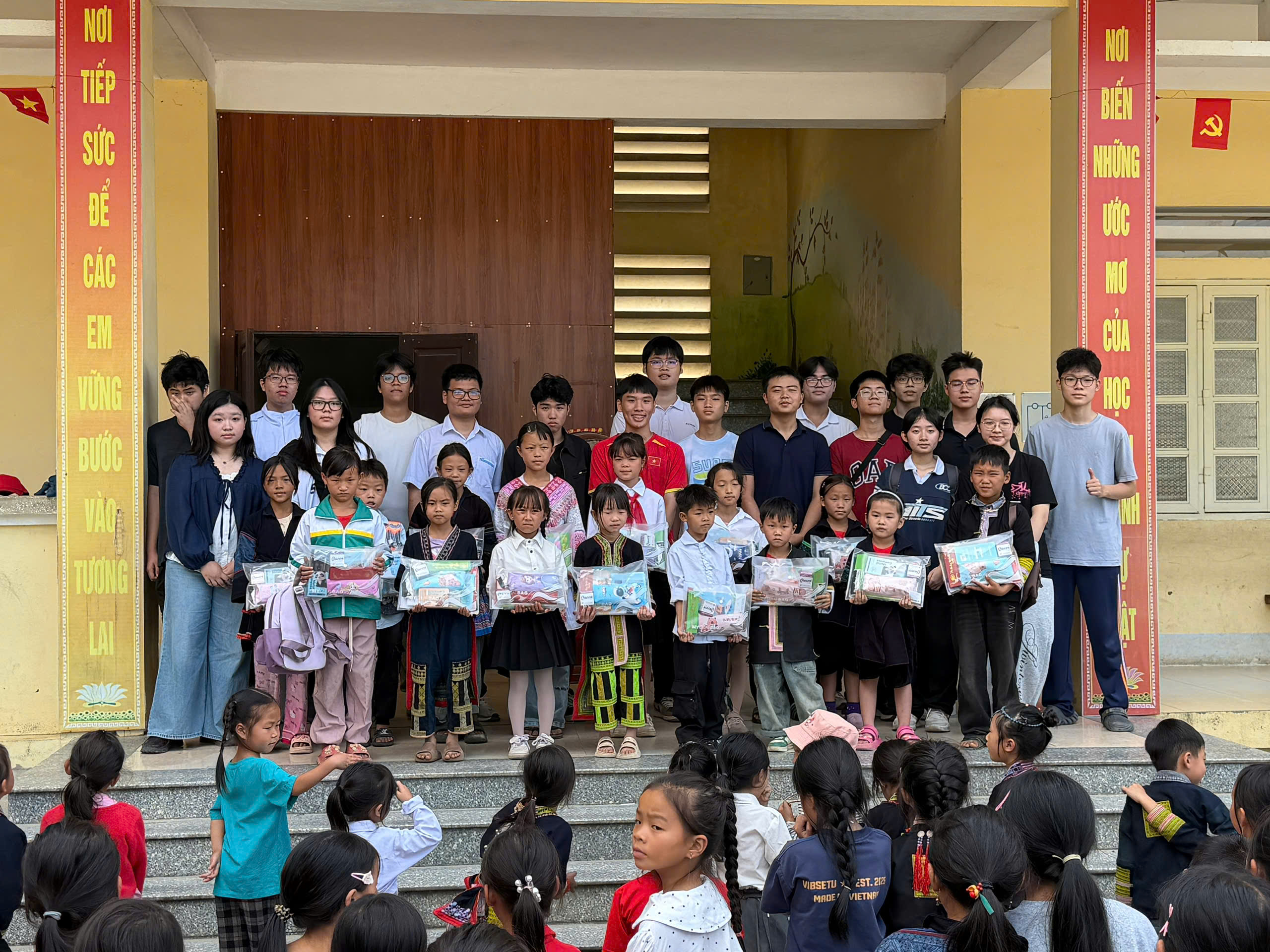
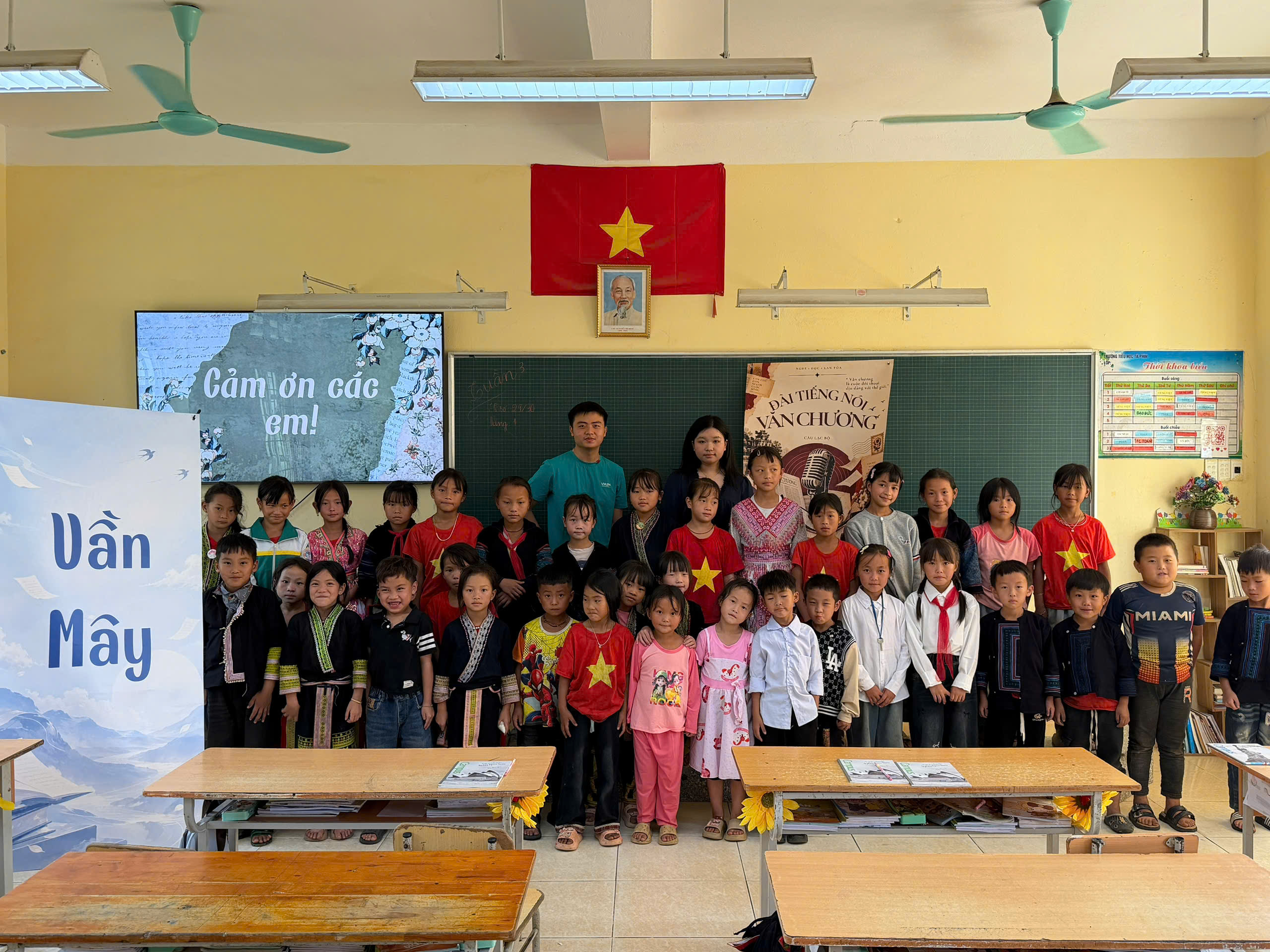
Sowing verses of memories in the mist of Tả Phìn
Led poetry workshops for 500 children in Tả Phìn
Voices of the countryside
Interviewing Generations Across Central Vietnam
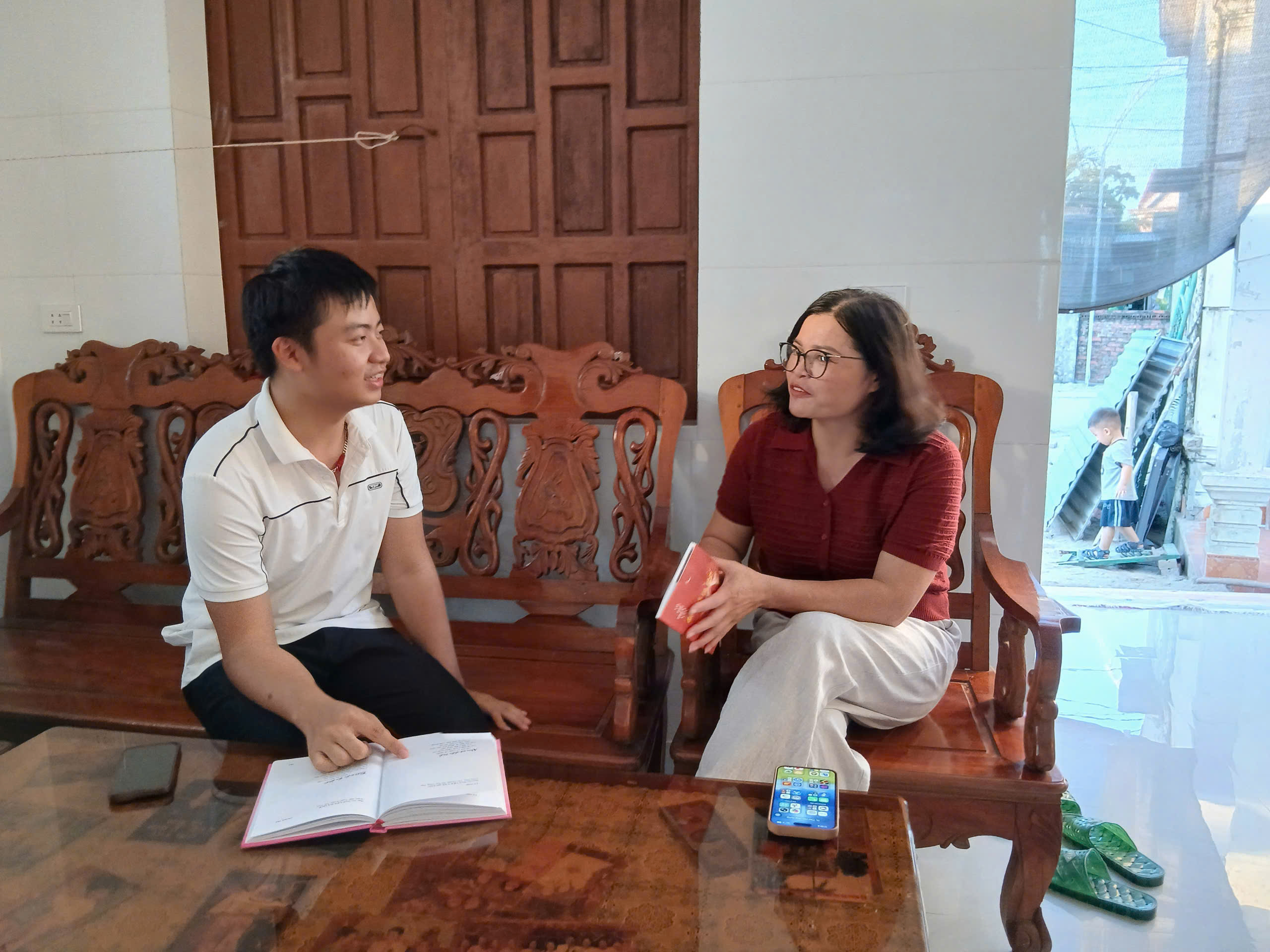
Teacher Nguyễn Thị Thuỳ Vân
During our literary conversations, I have been fortunate to listen to and understand more about the deeply emotional poetic journey of Ms. Vo Thi Thuy Van – a teacher who has dedicated over twenty years to her profession and is currently pouring her heart into teaching literature at Dan Hai Secondary School. Born and raised in the beloved land of Hoi Thong, her childhood was nurtured and refreshed by the sweet melodies of Vi Dam folk songs. It was this cultural cradle, along with the memory-filled village well, the sweltering summer winds characteristic of Central Vietnam, and the rustling sounds of green bamboo thickets on quiet summer afternoons, that planted within her an intense love for her hometown.
01
Because her soul is so deeply rooted in this land, her verses are always imbued with the breath of the countryside and share a uniquely profound connection to Hoi Thong. Her poetry does not merely describe landscapes; hidden within it is the heartbeat of memories – simple yet sacred nostalgias about a gentle grandmother by the warm glowing hearth, or the contemplative silhouette of a grandfather visiting the salty fishing village, silently watching fleets of boats set sail into the open sea.
The individuality and ideological depth of her poetry are most distinctly portrayed through two of her works, “Nói với con” (Speaking to My Child) and “Người cháu” (The Grandchild). These verses sound like gentle advice to a child, but upon deeper reflection, they are also the inner voice of a grandchild reminding the previous generations, and above all, a profound self-reflection and self-reminder of the poet herself. Through these works, she boldly raises a fundamental question that touches the core of human existence: “What is love?”, thereby fully revealing her innermost struggles and contemplations.
Perhaps it is these profound reflections that have created a very distinct signature in Vo Thi Thuy Van’s poetry. Through our conversations and exchanges about poetry, a new perspective seemed to open up for me. I witnessed in her a fierce and extraordinarily characteristic love for her homeland – a primal, deeply rooted affection that I have never encountered anywhere else. The uniqueness in how she cherishes every rustic detail and family memory, weaving them into her poetry, truly moved me. It left me with endless reflections on the value of our roots and how each of us preserves a distinct “soul of the homeland” amidst the journey of life.
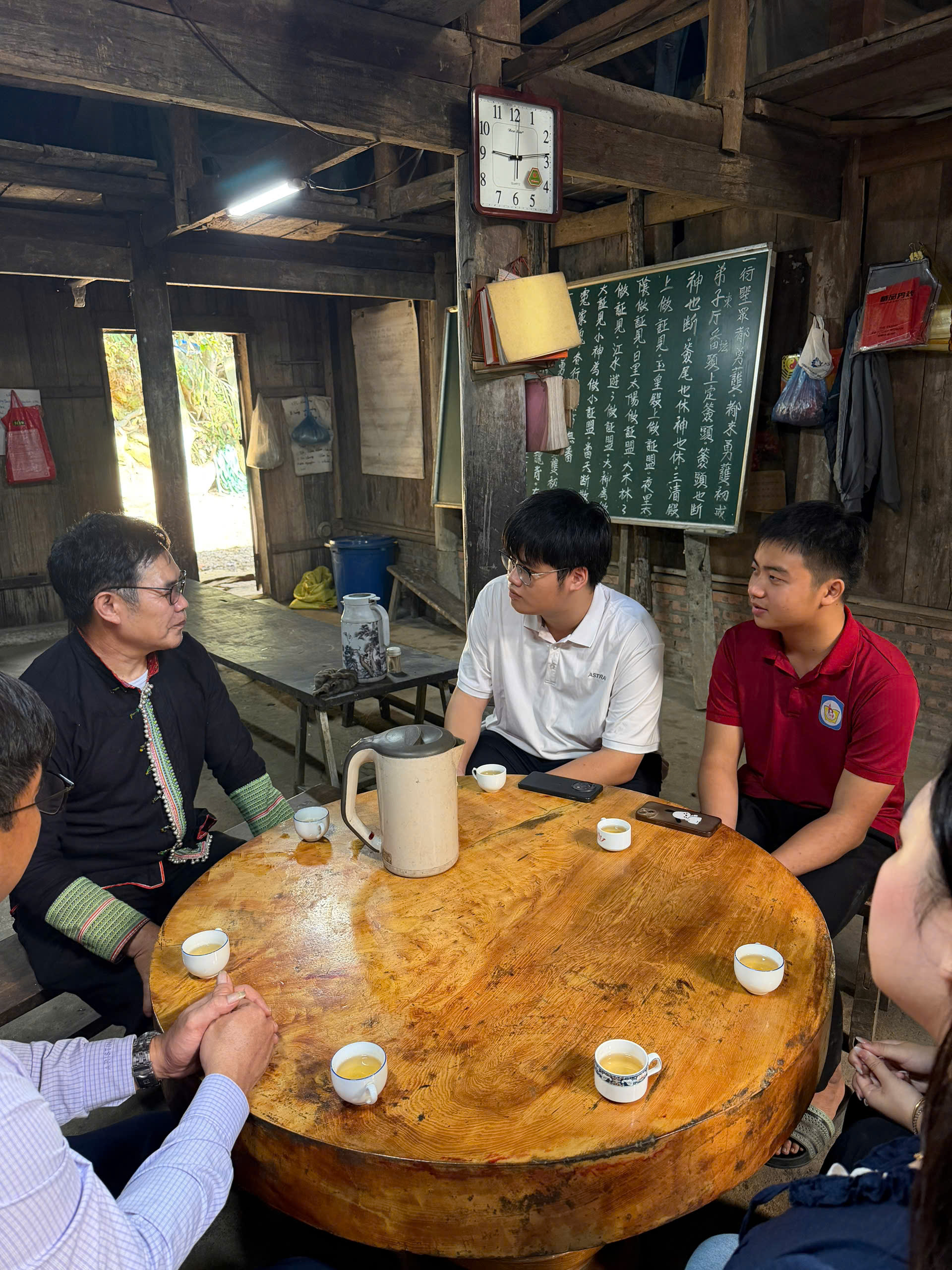
Teacher Tẩn Vần Siệu
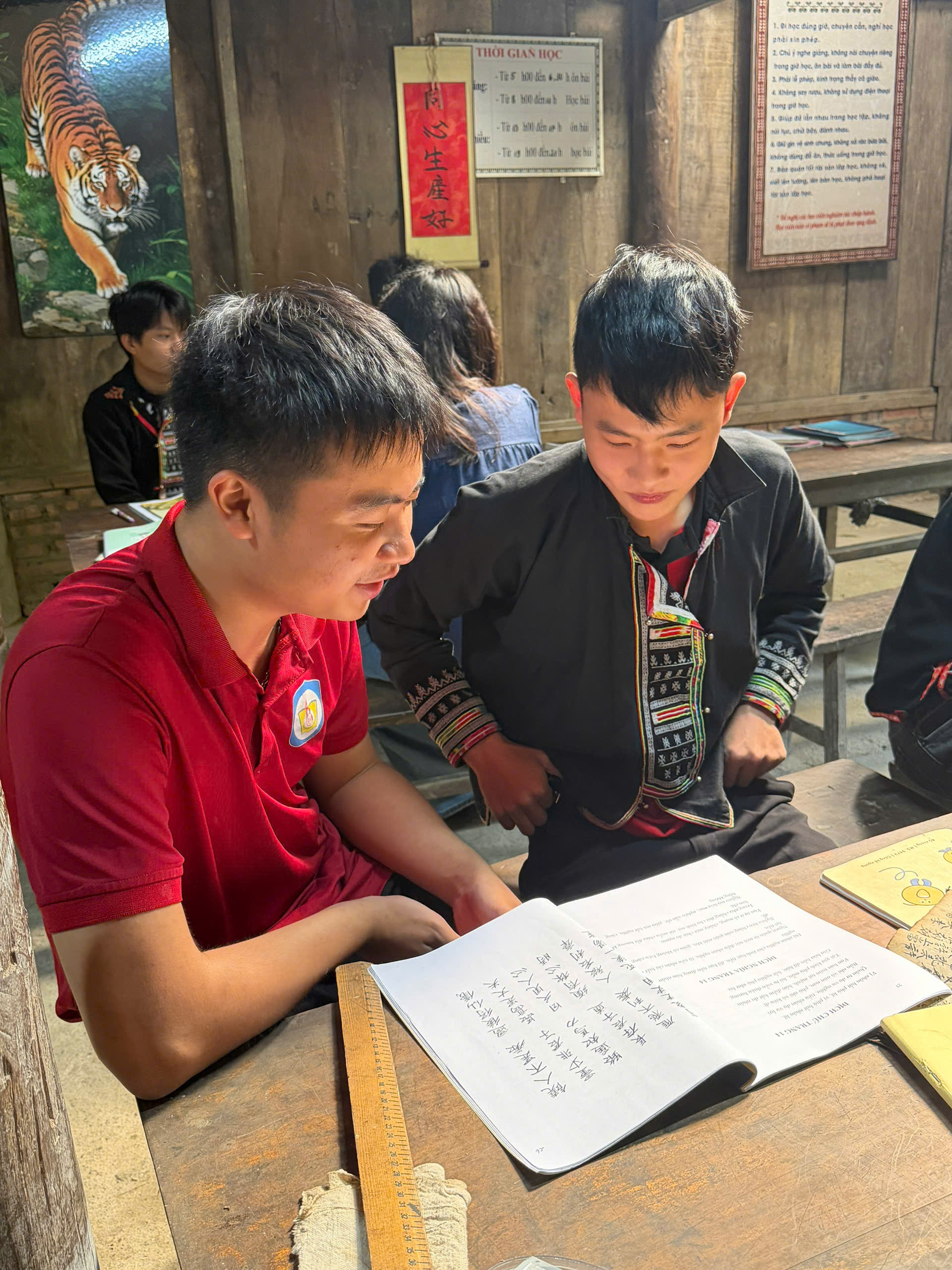
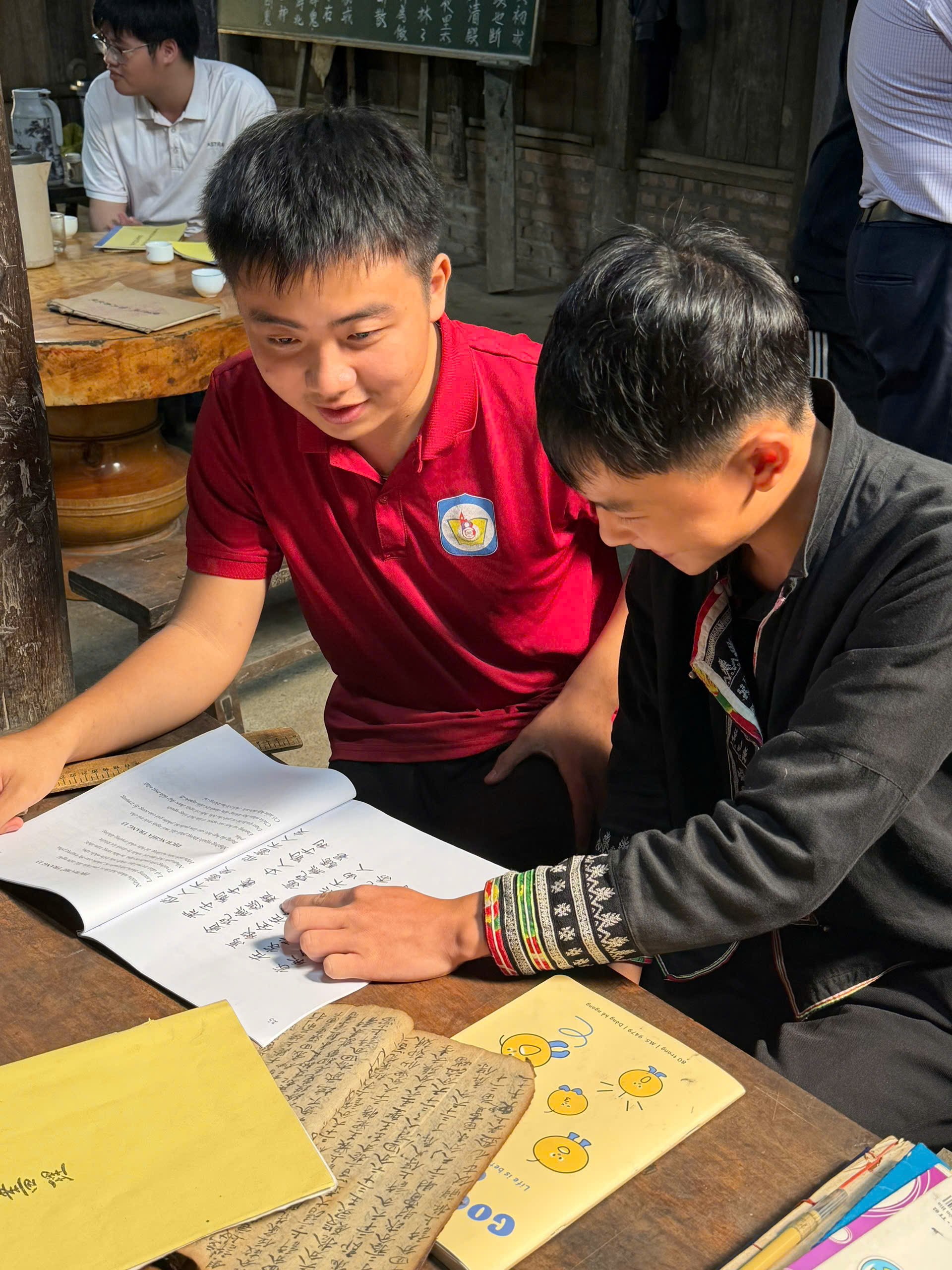
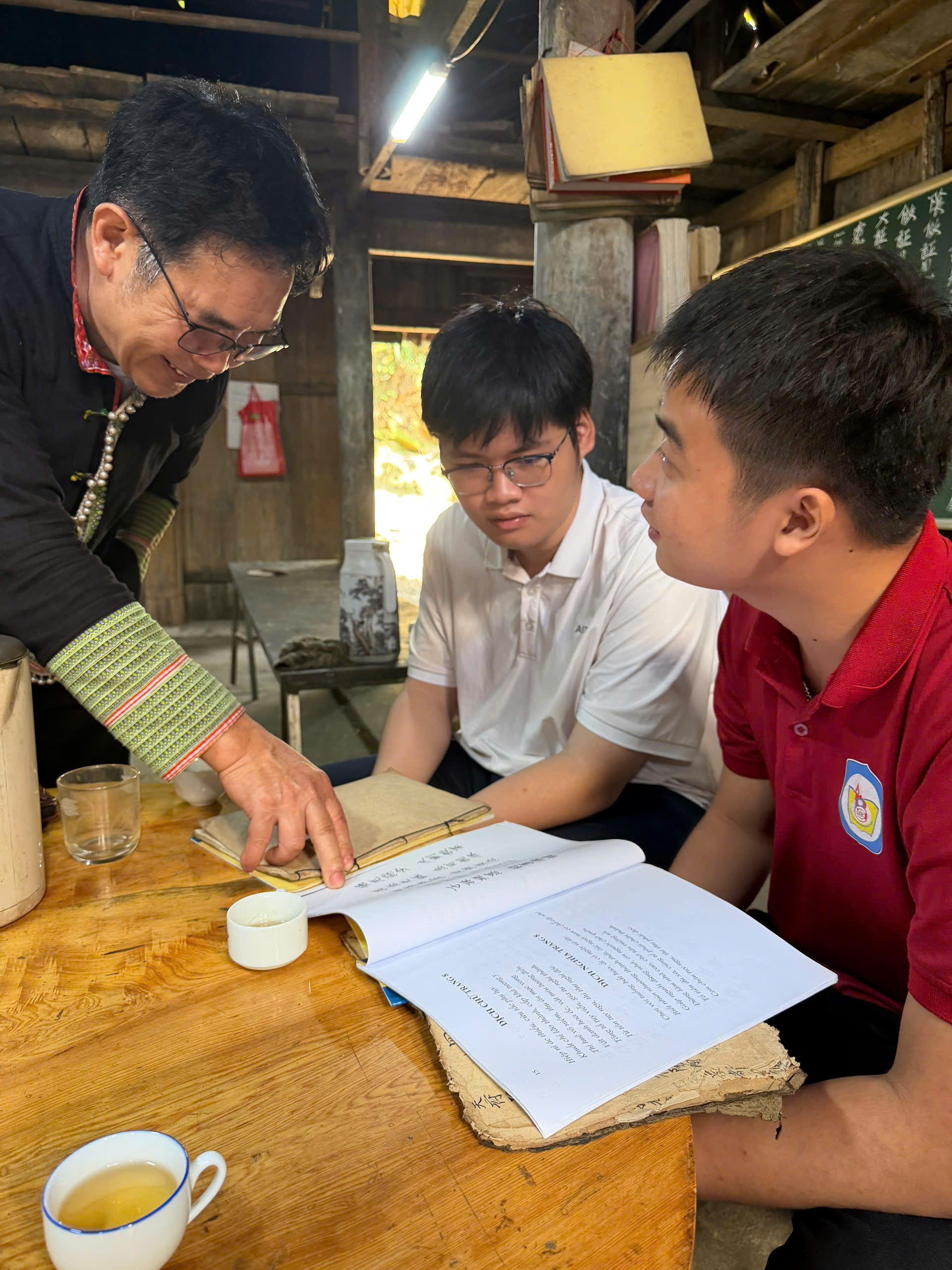
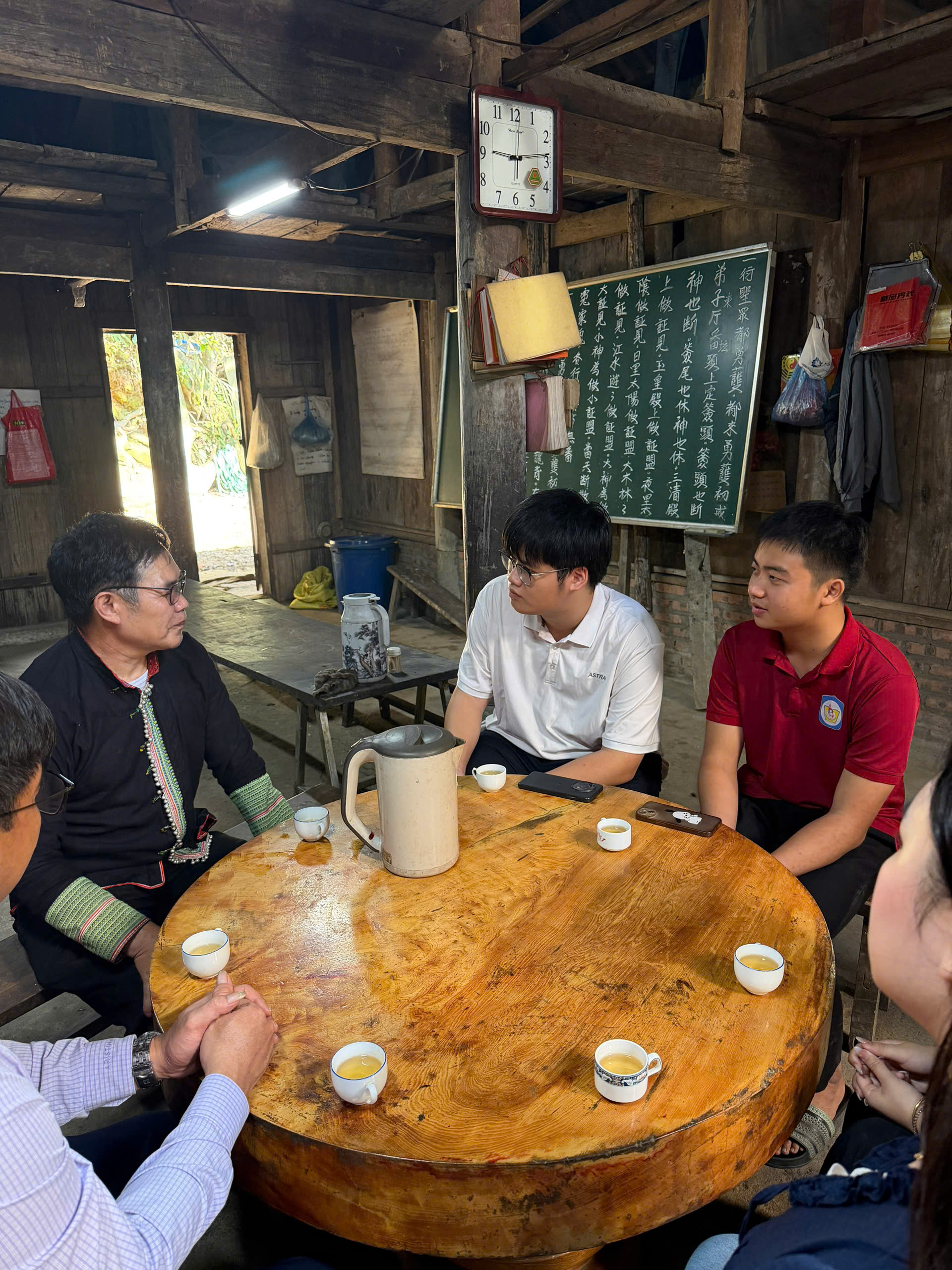
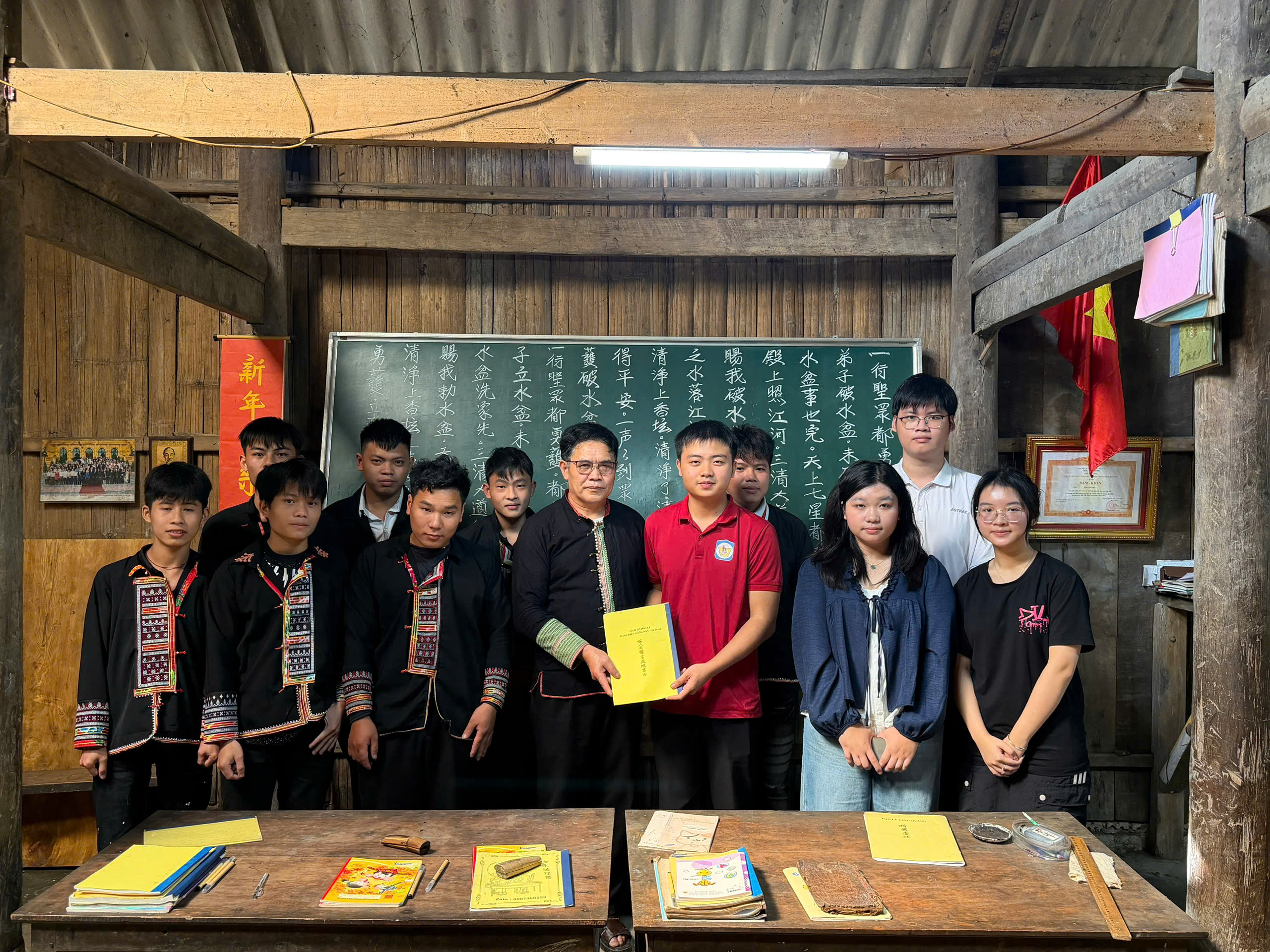
Amidst the fast-paced modern life and the strong cultural exchange in the highlands of Sa Pa, the story of People’s Artisan Tan Van Sieu emerges as a quiet epic about the effort to preserve the ‘soul’ of the Dao people. Having endured a cruel twist of fate in his youth that cost him an arm and an eye, he bravely stepped out of a period of self-imposed isolation to fulfill his dream of becoming a teacher. Over the past three decades, he has tirelessly opened free Dao Nom literacy classes, provided food and lodging for his students at his home, and traveled across provinces to conduct fieldwork, collect, and restore ancient texts. To him, culture and writing are lifelines; if the Dao Nom script is lost, the Dao people will be manipulated by foreign cultures, lose their roots, and no longer be themselves. His dedication has not only helped hundreds of students master the script and understand the doctrines but has also contributed significantly to eradicating outdated customs and preserving folk wisdom and traditional rituals.
02
In particular, having the opportunity to engage with the texts and listen to the Dao Nom verses that teacher Sieu passionately passes down, I gained a completely different perspective on poetry: poetry is the very embodiment of ethnic identity. Teacher Sieu’s pursuit of Dao Nom poetry holds a profound significance, as I realized that poetry here does not simply stop at verses describing the pure beauty of the homeland. They are pages of doctrines, the sacred teachings passed down from ancestors to their descendants, and moral lessons on human conduct with profound humanistic value.
Teacher Sieu himself, who has devoted his entire life to reading, understanding, and deeply absorbing every word and poetic nuance, has profoundly grasped the vital role of preserving ethnic identity through the Dao Nom language. The words and verses he so carefully cherishes are truly imbued with the historical ups and downs, encompassing the absolute wisdom, survival experiences, and sacred soul of an entire ethnic group. It is the unwavering perseverance and intense love for culture of this physically impaired teacher that have transformed ancient verses into a guiding torch, illuminating the path for generations of Dao youth to remain proud and steadfast on the journey back to their roots.
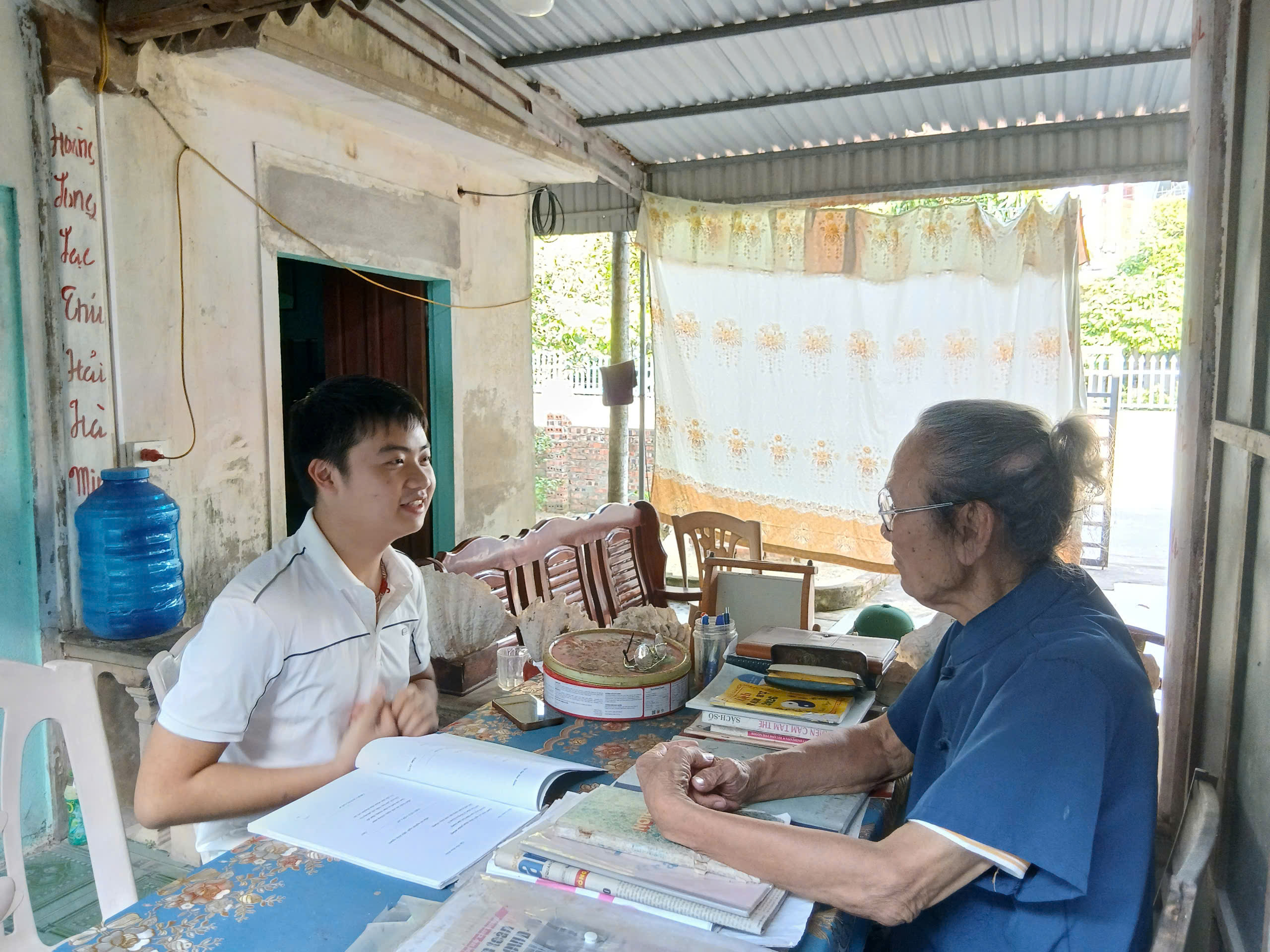
Poet Mai Trọng Viện
The image of a woman who remains faithful all her life, yearningly loving a soldier who has forever fallen on the battlefield, and quietly setting up an altar for him since the days of her youth, is what left the most haunting and profound impression on me during my first meeting with poet Mai Trong Vien. He confided that witnessing this tragic and tearful story firsthand was exactly what urged him to take up his pen and write the work “Người con gái thờ chồng” (The Girl Who Worships Her Husband). Under his pen, the verses are not just a poignant song about sacrifice, but have truly become a realistic documentary film in words, capturing the traumatic yet incredibly magnificent hidden corners of war.
03
From the years of enduring hardships and wading through fierce battlefields, I see in Mai Trong Vien a depth of experience and profound artistic traits. More than anyone else, he thoroughly understands the extremely fragile boundary between life and death. Perhaps because he had faced that line of life and death so many times, his soul always seeks and pursues an eternal love. That could be a loyal and steadfast romantic love transcending even death, a sacred love for the homeland, or sometimes simply and purely, the trembling love for a bird flying across the sky or a blossoming flower on the frontline.
However, what creates the distinction and vitality in Mai Trong Vien’s literature is how he directs his pen towards the light. He weaves into his poetry burning dreams and aspirations for a future where the country will constantly innovate, becoming more prosperous and powerful day by day. This desire to build peace is as fierce as the way he and the previous generations once embraced the ambition of sacrificing themselves to protect the Fatherland during the era of bombs and bullets.
Feeling his deep love for the homeland through every flower and bird, along with his silent desire to contribute, I instinctively found a breathtaking resonance with the beautiful verses in the poem “Mùa xuân nho nhỏ” by poet Thanh Hai – like a shared chorus of those who have dedicated their entire lives to the country:
“Ta làm con chim hót, “
Ta làm một cành hoa.
Ta nhập vào hòa ca,
Một nốt trầm xao xuyến.
Một mùa xuân nho nhỏ
Lặng lẽ dâng cho đời,
Dù là tuổi hai mươi
Dù là khi tóc bạc.”
The beautiful intersection between Mai Trong Vien’s “Người con gái thờ chồng” and Thanh Hai’s “Mùa xuân nho nhỏ” has sown a profound realization in my heart: whether in times of war or peace, the eternal love and the desire to silently dedicate oneself to the homeland are always the most beautiful notes in the symphony of a human life.
Poet Nguyễn Đăng Vinh
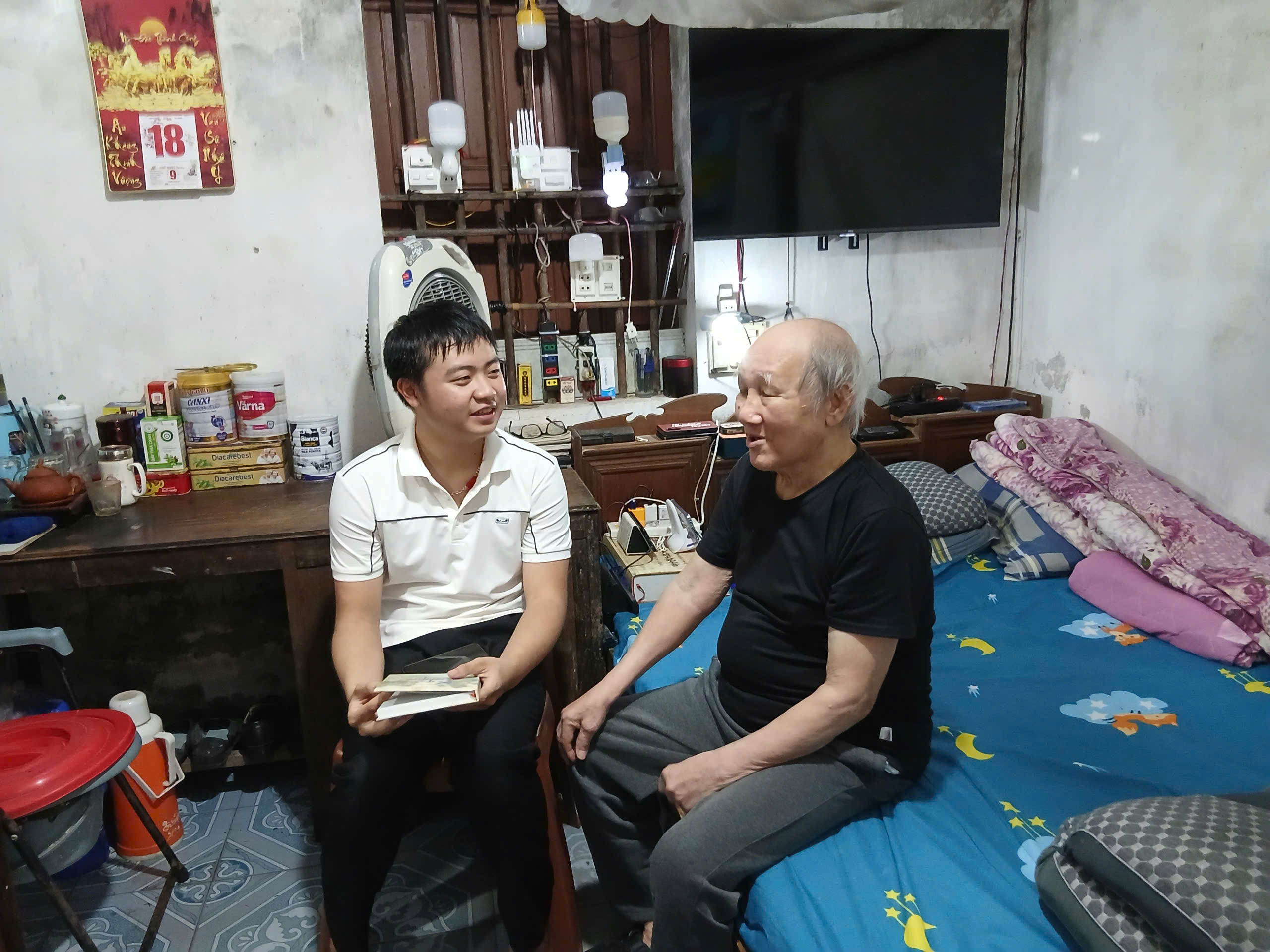
Over 90 years of age, bearing a figure tinged with time and weathered hair that has faded and thinned over the years – that is the image etched into my mind the first time I stepped into the quiet space to meet poet Nguyen Dang Vinh. Even at this rare old age, he remains an extraordinary writer, possessing a massive legacy of over 1,000 Tang-style poems. There is a fascinating resonance between him and poet Vo Giap, whom I previously had the chance to converse with: both men sought out and devoted their lives to this classical poetic form precisely because of its extremely strict frameworks and regulations. Yet, behind that outer shell of strict language lies an incredibly rich inner world.
04
The first thing that truly moved and impressed me about this veteran artist was the
boundless romance that still burns brightly in his soul, even when his body is burdened by the frailties of old age. Unlike many others, he only truly began to take up the pen to weave poetry after officially retiring. He gently confided that, to him, poetry is not a performance, but a miraculous method to distill, quiet the mind, and ruminate on all the memories that have faded into the past. That romantic, passionate, and profound nature is most clearly condensed in the poem “Ánh trăng” (Moonlight) – a beautiful piece he dedicated to depicting an old romance. It captures the pure, yearning thrills intertwined between the brilliant days in university lecture halls and the tragic, fierce moments of war.
Now, when his legs are weary, his health is waning, and he no longer has the ability to
travel freely to explore new lands, he does not let his soul be imprisoned within four
narrow walls. With a rich imagination and a profound empathetic vision, he still wanders daily in the realm of his mind, using his pen to reach out, touch all things, and write verses brimming with love for humanity and the multifaceted life.
Sitting across from him and listening to him, I felt enlightened by a fresh perspective on the limits of human life. In that nonagenarian poet, I witnessed an unyielding will and the magical power of beauty – a brilliant, sublimated beauty that proudly transcends all the withering and finite bounds of the physical body. The image of poet Nguyen Dang Vinh and his verses have left me with a profound belief: when one knows how to use poetry to nurture love and memories, the soul will remain eternally robust and never age.
Poet Nguyễn Xuân Diệu
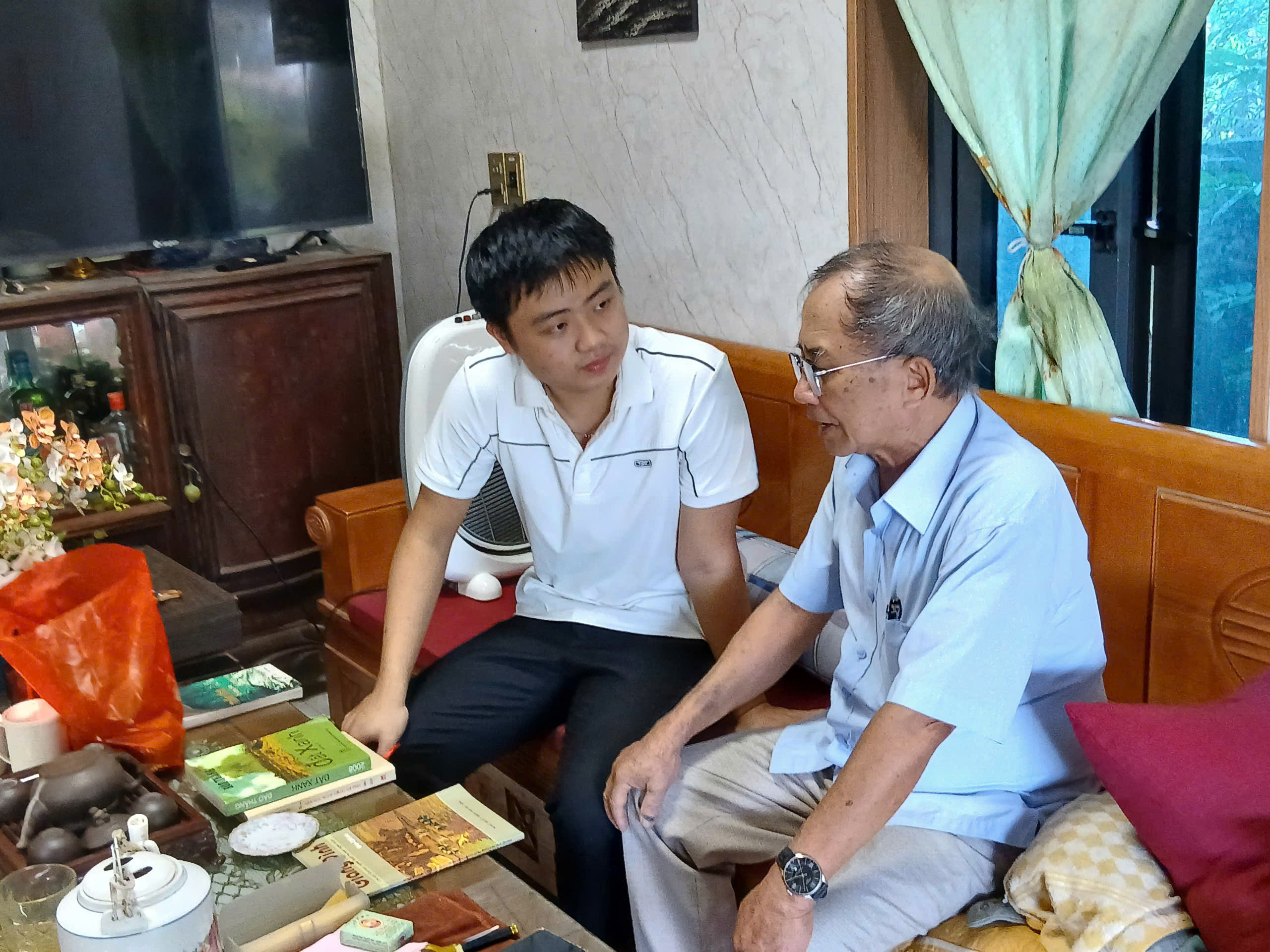
My interview with the poet Nguyen Xuan Dieu took me on an incredibly special and deeply emotional journey. It is a story that spans from the fiery years of a commando soldier carrying a burning passion for writing, to his time at the helm as the Editor-in-Chief of a newspaper. His youth was intertwined with the rolling ocean waves, where he conceived and penned overflowing verses about the sea. In him, I recognize an absolutely perfect intersection between literature and poetry. If his prose flows as gracefully and smoothly as waves lapping against the shore, then the verses he writes surge, echo, and roar like majestic crashing waves in the middle of the ocean.
05
However, Nguyen Xuan Dieu’s literary works do not possess only a romantic and elegant beauty. Hidden behind those rhythmic words is a profound intertwining with the fierce reality of the battlefield. His penmanship in the work ‘Dat xanh’ (Green Land), which he helped create, realistically portrays a blazing picture, obscured by the smoke and bullets of war. I was profoundly moved, the emotion feeling more authentic than ever, when I saw with my own eyes the yellowed diary pages, stained with trench mud, which he had carefully preserved and brought out to show me – hasty lines written right on the line between life and death.
More notably, I found in him a very different perspective, the comprehensive vision of a former Editor-in-Chief. He never wanted to keep the beautiful songs and ideas to himself but always yearned to spread that poetic flame to everyone. Through his written pages, he wants to transmit a resilient patriotism forged from long days enduring gunfire, while simultaneously sowing a passionate love for life through the simple, vast beauty of nature. Through the eyes of an old soldier and the soul of a poetry-loving journalist, he has turned every word into a bridge connecting the nation’s epic and tragic memories with a profound love for life.
Poet Võ Giáp
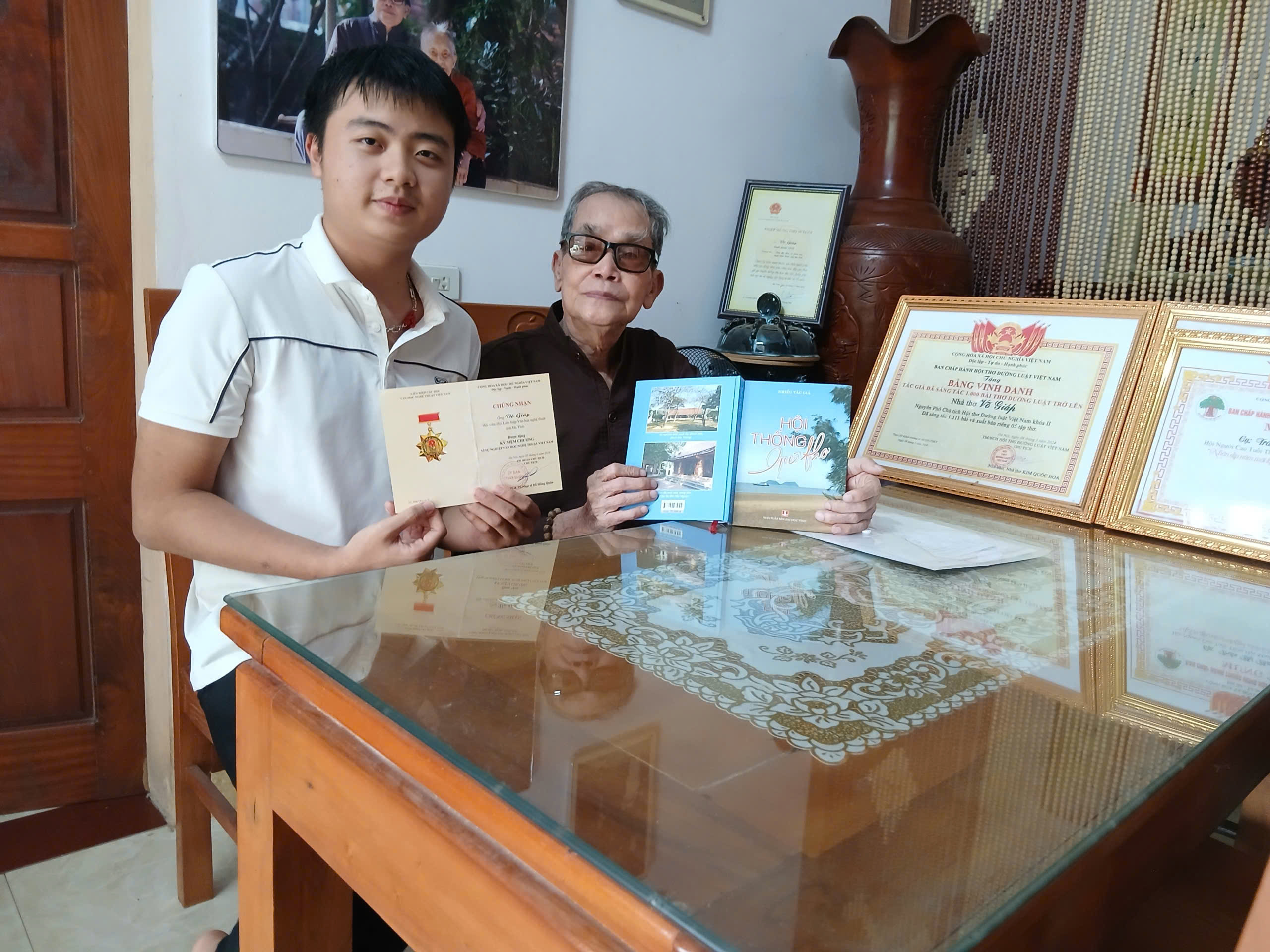
I was fortunate to meet and converse with poet Vo Giap – a teacher and a respected intellectual entering his twilight years. As a former lecturer at Vinh University and the former Vice Chairman of the Vietnam Tang Poetry Association, he carries a refined scholarly demeanor and profound wisdom in his mindset. The memory of that interview became even more memorable as it took place right when he had the honor of receiving a certificate of merit from the Vietnam Tang Poetry Association – a meaningful recognition of his relentless dedication to the nation’s classical poetry.
06
Reading and feeling Vo Giap’s poetry, one will not find the usual soaring, romantic, or sentimental elements. Instead, his poetry possesses a strange attraction, radiating from its very tranquility and standard form. He devotes his entire passion to Tang-style poetry – an ancient poetic form famous for its extremely strict rules, frameworks, and regulations. The appeal of his poetry lies in the solid, tightly-knit parallel sentences, along with the certainty and strictness in word and line counts as well as rhyming schemes. Through the man himself and his writings, I recognized an artistic style with a deep personal touch: his poetry is a reverent journey to return to one’s roots.
Because of this yearning for his roots, his pen always reserves a solemn place for the sacred and serene spaces of his homeland. He pours his heart into writing about Den Ca, the ancestral shrines of his forebears… with the utmost reverence. Beyond writing poetry, he also diligently researches local culture and history, typified by the highly valuable article ‘Den Ca and its Parallel Sentences’ published in Hong Linh Magazine. It can be said that, by combining the intellect of a teacher and the soul of a nostalgic poet, poet Vo Giap has used the very structural strictness and solidity of Tang poetry to anchor the core values of his village and lineage. The conversation with him left me with profound impressions of an artist who remains steadfast in using his pen to bridge the past and the present, wholeheartedly preserving the sacred lineage of his ancestors.